mediation
"Somewhere beyond right and wrong, there is a garden. I will meet you there."
Jalāl al-Dīn Muḥammad Rūmī
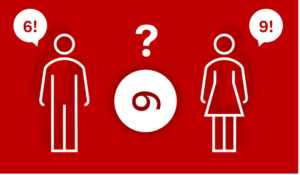
What is Mediation?
Mediation is a confidential, structured conflict resolution process.
Facilitated by a neutral professional, it offers all parties to a conflict a safe space marked by respect and appreciation.
In mediation, the process – enabling ownership, clarity and understanding – is often as important as the outcome.
My approach as a mediator is:
I am a member of the German Association of Mediators and its working group on mediation in intercultural contexts.
Why opt for mediation?
Conflicts are part of our lives. We are no strangers to conflict at home, at work, and/ or in any other community that we interact with.
Sometimes mechanisms exist that can help us address difficult situations. We might have the option of lodging a formal complaint about a colleague, or to seek legal advice on a private dispute.
But often, it is not easy to go down that route. Nor does it feel right. The barriers – in terms of time, resources, energy or emotions – are high. Rather than us having control over the process, the process might end up controlling us. And the result might not be what we need most: restoring connection, finding common ground – and feeling seen, heard and understood.
This is where mediation comes in: a simple, low-threshold process that helps the parties to a conflict move beyond right and wrong. Mediation is:
- voluntary – you decide when and how to engage.
- confidential – what happens in the room stays in the room.
- empowering – you own the process at every step along the way.
- liberating – helping you to break free from situations in which you felt stuck.
- cost-effective – bringing clarity on what needs to change, why and how in just a small number of facilitated conversations.
Mediation in organisations

In an organizational setting, working through conflicts (e.g. between staff, between staff and teams, between teams, between management and board members or between board members) with the help of a mediator can help re-focus attention on a shared purpose and objectives, restore effective working relationships and contribute to a safe and enabling overall (work) environment.
Many organizations have a wide range of internal complaints procedures, skills and resources. However, many complaints mechanisms have been designed to deal with specific code of conduct violations, such as safeguarding. They are often not fit for purpose for other disputes. But lack of ‘time’ (e.g. for HR teams) and/ or lack of ‘distance’ (to the conflict and/ or staff concerned, e.g. for line managers) are frequent barriers to addressing other tensions in a timely manner.
Mediation can serve as an alternative early-response mechanism that helps to address conflicts before they potentially spiral out of control. At the same time, it can help identify other, more systemic issues that require a different organisational response – and thereby contribute to greater impact and resilience.
What are the key steps in a mediation process?

Setting the Scene
Understanding what is bringing you here. Exploring the process and agreeing key parameters.

Sharing Stories
Listening to both sides of the story. Noting divergence. Identifying the themes and issues that you want to explore further.

Unpacking Issues
Surfacing specific needs and interests. Understanding where each of you might be coming from. Creating new insights and perspectives.

Exploring Solutions
Gathering options and alternatives. Understanding choices and their consequences. Agreeing what success will look like. Deciding on how you want to move forward.

Contracting
Writing down or visualizing what you have agreed. Being clear on what else is needed. Thinking through what could go wrong, and what you will do if it does. Celebrating what you have achieved.